

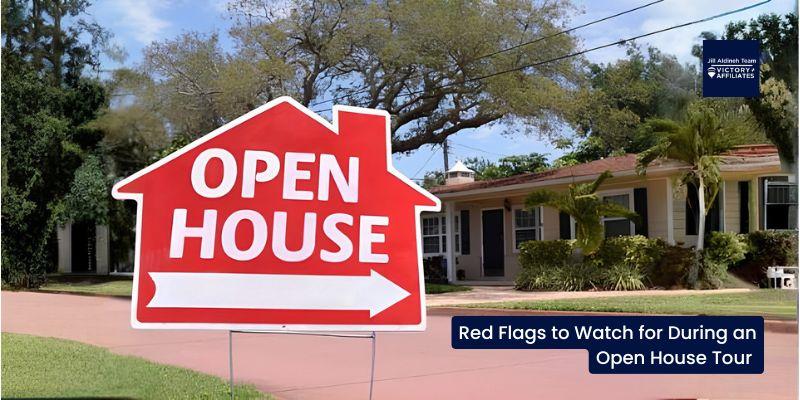
An open house is not only an occasion when you get to see how beautiful interiors can be, or how furniture fits in a house, and how you will fit in a new neighborhood. An open house is your chance to evaluate the quality of a property and notice possible flaws before making a crucial financial step.
While well-painted walls, proper staging, and lovely landscaping can leave an impressive first impression, they can also cause the buyer to overlook any negatives that the property has. The knowledge of what to look out for when attending the open house will help avoid unnecessary costs when buying the property.
Not every problem is a show-stopper; however, it is better to know how to recognize possible issues in order to have time to ask, to demand inspection or negotiations, and even change your mind about your decision to buy the property.
Here are some of the common problems you should beware of when visiting an open house.
Cosmetic Enhancements- Don’t Deceive You:
After all, you certainly don’t have any doubts about the fact that repainting the house, fixing the fixtures, and replacing the floor will increase its value. However, do pay attention to cosmetic refurbishments on your walk-through inspection.
- Do all the renovations seem to be in order?
- Are there any hidden problems being masked by cosmetic fixes?
- Is some part of the house recently renovated but other parts not?
- Any well-renovated house should also have good construction beneath its surfaces.
Check for Indications of Foundation Issues
The foundation bears the load of the whole house and hence forms one of the critical sections to check.
Even though it may not be possible to check all aspects of the foundation at an open house, there are indications you can use to determine whether there is any structural movement.
These include:
- Cracks in the foundation wall
- Staircase cracking in brick or masonry work
- Uneven or sloped floors
- Sticking or improperly closing doors
- Difficult opening windows
- Separation of the ceiling from walls
- Cracks around the door and window frames
Some settlement is normal in almost all houses, but a number of these warning signs require further evaluation.
Water Damage Problems to Consider:
Water damage is among the costliest issues that can affect a homeowner’s home.
On your tour, look for indications such as:
- Stained ceilings
- Stained walls
- Faded paint
- Bulging drywall
- Wet basement walls
- Mildew/mold smells
- Floors are wet in areas near bathrooms or the kitchen.
In the case where water spots have been treated, but there are still concerns about moisture.
Detect any Unusual Smell
Smelling can help you find the problems that are not easy to see.
An unusual smell might mean that there are some underlying problems, including:
- Mold and mildew
- Pet damage
- Smoke residue
- Sewer line issues
- Poor ventilation
- Water intrusion
Be careful if you see any potent air fresheners or aromatic candles all around the house. Though they might just be making the house smell good, these are things that could be hiding bad smells from potential buyers.
Roof Condition Inspection
Even though you might not have the means to inspect your roof up close, you can certainly check out if there are any visible warning signs of problems with it.
Look for:
- Missing shingles
- Curled shingles
- Sagging rooflines
- Damaged flashing
- Presence of moss or algae
- Irregular roof surface
In your own house, look for stains in the ceiling and attic, which could be signs of leaks. Roof replacement is an expensive element of homeownership.
Door and Window Inspection:
Doors and windows have much more to tell about beyond just energy efficiency.
Problems in their operation might be a sign of:
- Moving foundation
- Improper installation
- Moisture issues
- Structural shifts
Also check for:
- Damaged window seals
- Draughts
- Decayed frames
- Condensation between the glass layers
The repair of a few windows may turn out to be fairly costly after purchasing the home.
Check the Basement or Crawl Space:
If there is any access to such areas, pay them more heed. This is where you might discover hidden problems related to structure or moisture.
Check for:
- Standing water
- Damp concrete
- Mold
- Cracks in the foundation
- Bowed walls
- Water staining
A dry and clean basement suggests good maintenance history.
Look beyond the landscaping
Aesthetically pleasing landscaping is not only attractive but can also obscure drainage issues.
Things you should be looking out for:
- Soil erosion
- Poorly graded yard
- Downspout water discharge around the structure
- Large tree roots surrounding the foundation
Test Floors While Walking Through:
Even walking through the house will give you useful information.
Observe whether the floors:
- Feel uneven
- Have a lot of bounce
- Creak
- Are sloping
Although some movement in floors is common in older houses, uneven floors may be a sign of foundation problems.
Evaluation of the Electrical System
While potential homebuyers should not attempt an inspection of the electrical system at an open house, there are some indications that could be observed.
These include:
- Aged electrical panel box
- Missing outlet plate covers
- Flashing lights
- Scorching near electrical outlet sockets
- Overuse of extension cords
- Low number of electrical sockets
Questions about the HVAC
The heating and cooling system is yet another large purchase for you to make.
Feel free to inquire about:
- Age of the HVAC system
- Has the system been maintained well
- Date of installation of the furnace
- Air conditioning working fine
Old age doesn't have to be a concern, but you'll know what to expect in terms of future expenses.
Look at the Surrounding Area
The open house isn’t only about the house. Be sure to assess the area that surrounds it.
Think about:
- Traffic
- Noise
- Construction
- Maintenance of the property next door
- Availability of parking
- Distance from schools and other services
A great house that’s in the wrong place won’t suit you.
Keep in Mind That an Open House Is Not a Home Inspection:
No matter how great everything looks, an open house is not a substitute for a professional inspection of the property.
Professional inspections include:
- Structural systems
- Roofing
- Plumbing
- Electrical systems
- HVAC systems
- Condition of the foundation
- Problems with moisture
A professional inspection gives a much better idea of the condition of the property.
Conclusion:
The open house will be your first chance to really examine the property outside of how it looks.
If you pay attention to structural concerns, water damage, drainage, roof, electrical, and the property's condition, you will have some good information on your hands before you make your offer.
Purchasing a property is a big step in life and by observing properly, you may be able to prevent yourself from purchasing a house that has a lot of problems.
Remember, the open house is only part of the equation; a good professional inspection is the best tool to give you the complete picture.